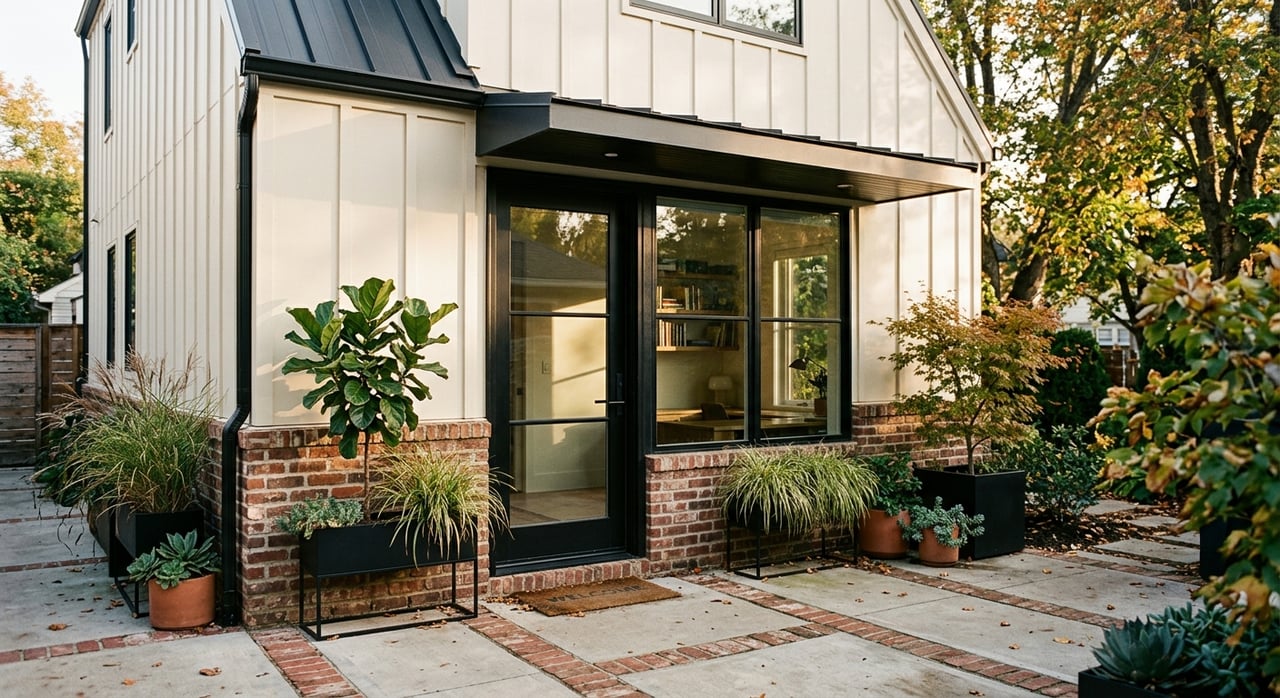
If you’re thinking about buying in Wedgewood-Houston, the first thing to know is simple: this is not a cookie-cutter neighborhood. You’re looking at an urban Nashville area that blends older homes, newer infill, industrial buildings, and a strong arts-and-maker identity, all within easy reach of downtown. That mix can be exciting, but it also means you need clear expectations, smart preparation, and local guidance. Let’s dive in.
Why Wedgewood-Houston draws buyers
Wedgewood-Houston, often called WeHo, sits just south of downtown Nashville and is part of a first-tier center along major transit corridors in Metro planning. Public planning documents describe it as a creative district with galleries, studios, workshops, restaurants, distilleries, and breweries. If you want an urban neighborhood with energy and a sense of momentum, that appeal is easy to see.
At the same time, WeHo is still evolving. Metro planning materials describe a neighborhood with older affordable housing, newer homes, industrial land, and an emerging arts-district identity. They also note pressure from rising home values, redevelopment, and the loss of some industrial land.
For you as a buyer, that means the neighborhood is best understood as a place in transition. You may find a block with longtime cottages, a newer townhome project nearby, and commercial or industrial uses woven into the same general area. That variety is part of the draw, but it should also shape how you evaluate a property.
What homes look like in WeHo
Expect a mixed housing stock
Metro’s planning summary for South Wedgewood-Houston says the residential core was historically a one- and two-family neighborhood built on an urban street grid. Over time, infill development has introduced more housing types, including townhomes and courtyard-style developments on larger parcels. In some places, one-story homes have also been replaced by two taller homes.
In practical terms, your options may include detached cottages, newer infill homes, townhomes, condos, and properties with adaptive-reuse character. That range can be helpful if you want flexibility in price point, style, or maintenance level. It also means two homes just a short distance apart may offer very different living experiences.
Infill changes the block-by-block feel
One of the biggest things buyers notice in WeHo is that the streetscape can change quickly from block to block. Unlike a newer subdivision with a predictable look, this neighborhood reflects many phases of development. That can create charm and opportunity, but it also makes it important to study the immediate surroundings, not just the neighborhood name.
When you tour homes, pay attention to building scale, nearby uses, parking, traffic flow, and the overall rhythm of the street. In a neighborhood shaped by redevelopment, those details matter just as much as the finishes inside the house.
Zoning matters more here
Overlay rules do not tell the whole story
Metro paired the Wedgewood-Houston planning study with an Urban Design Overlay to support more contextual infill and a wider range of housing forms and price points. Metro also notes that before 2021, most parcels in the overlay were zoned R6 or R6-A, which generally allowed lower-density single-family or duplex development. After rezoning, many residential properties can support three to four units depending on parcel size.
That said, the overlay sets design standards and does not change the uses allowed on a property. If you are considering redevelopment potential, a home studio, or any kind of live-work setup, you need a parcel-specific zoning review before making assumptions.
Live-work potential is real, but not automatic
WeHo’s planning goals specifically mention affordable workspaces, home studios, live-work units, and the inclusion of light industrial and urban manufacturing in mixed-use redevelopment. That supports the neighborhood’s reputation as a maker-oriented area and helps explain why it attracts creative buyers and investors.
Still, support in a planning document is not the same as blanket permission on every lot. If your vision includes a studio, workshop, or future conversion, the smart move is to confirm what is actually allowed for that specific property before you buy.
What the market feels like right now
Because neighborhood-level public sales data are limited, the best public read on conditions comes from Davidson County and the broader Nashville region. In April 2026, Greater Nashville REALTORS reported 3,100 home closings, 57 average days on market for single-family homes, 14,677 active listings, and about six months of inventory. They also described six months of inventory as a benchmark for a balanced market.
Earlier in 2026, the same regional reports showed average days on market at 72 and noted year-over-year inventory growth, with buyers gaining leverage and sellers becoming more flexible with incentives. In other words, the market is still active, but it is not the same rush-at-any-cost environment many buyers remember from the most competitive years.
For you, that likely means a strong offer is not only about price. A clean, well-organized offer with solid financing, realistic timelines, and quick communication can be very competitive in today’s market.
How to prepare a strong WeHo offer
Buying in a neighborhood like Wedgewood-Houston often rewards buyers who are decisive and prepared. Since the housing stock is varied, the right home may not appear every day, and when it does, you want to be ready.
A smart preparation plan usually includes:
- Getting fully pre-approved before you start making offers
- Defining your must-haves versus nice-to-haves
- Understanding whether you want a detached home, condo, or townhome
- Reviewing likely monthly costs, not just the purchase price
- Looking closely at zoning and property use if flexibility matters to you
This is especially important if you are comparing very different property types. A condo, newer townhome, and older cottage may all fit your budget, but they can come with very different upkeep, insurance needs, and long-term goals.
Budget beyond the down payment
Many buyers focus heavily on the down payment and forget the rest of the cash needed to close. Consumer guidance says closing costs typically run about 2% to 5% of the purchase price before the down payment. You should also plan for moving expenses, repairs, and the cost of setting up your new home.
That matters in WeHo because homes can vary widely in age and condition. A newer unit may offer lower immediate maintenance, while an older property may need updates sooner. Looking at your total cash picture helps you buy with more confidence and less stress.
First-time buyer help in Tennessee
If you are buying your first home, it is worth looking at Tennessee Housing Development Agency programs. THDA says its Great Choice Home Loan is a 30-year fixed-rate mortgage program for eligible buyers. Great Choice Plus may also help with down payment or closing costs.
According to THDA, the deferred assistance option is a $6,000 forgivable second mortgage, while the amortizing option can provide up to 5% of the sales price, capped at $15,000. Homebuyer education is required for down payment assistance, and income and purchase-price limits vary by county. For qualifying buyers, that can make entry into an urban neighborhood feel much more achievable.
Plan for the contract-to-close period
Once your offer is accepted, the work is not over. Consumer guidance says buyers usually need to provide additional lender documents, schedule a home inspection, shop for homeowner’s and title insurance, and review closing documents carefully before signing.
Rate-lock timing matters too. Mortgage rate locks are commonly available for 30, 45, or 60 days, so your contract timeline and lender coordination can affect both cost and peace of mind. In a neighborhood where you may be evaluating different property types and conditions, staying organized after contract is just as important as winning the house.
Condos and townhomes can be smart options
In an urban neighborhood like Wedgewood-Houston, condos and townhomes are often part of the mix. Greater Nashville REALTORS reported an April 2026 regional median price of $503,340 for single-family homes and $345,000 for condominiums. They also noted that the regional condo market remains a strong option for first-time buyers.
If you want a more central location with potentially lower maintenance, a condo or townhome may be worth a close look. If you want more privacy or future renovation flexibility, a detached home may still be the better fit. The right answer depends on how you want to live, not just what is available first.
Transportation and daily life
Wedgewood-Houston benefits from its central location and closeness to downtown. That is a major reason so many buyers keep it on their shortlist. You can be near dining, creative spaces, and many of the city’s core destinations without moving far from central Nashville.
Still, Metro’s South Nashville Bikeway planning work notes that this part of the city can be difficult to bike through today because interstates and major roads divide neighborhoods. Metro’s goal is to improve connections between Wedgewood-Houston, Chestnut Hill, Napier, Sudekum, Downtown, and Edgehill. For now, it is fair to think of WeHo as increasingly connected, but not seamlessly walkable or bikeable in every direction.
Who WeHo may fit best
Wedgewood-Houston can be a compelling option if you want an urban neighborhood with character, creative energy, and a broad mix of housing types. It may also appeal to buyers who are comfortable with change and understand that redevelopment can shape the feel of the area over time.
It may be especially worth considering if you are:
- A first-time buyer exploring condos, townhomes, or smaller homes close to downtown
- A relocation buyer who wants urban access and a neighborhood with personality
- A creative professional interested in a property with studio or live-work potential
- An investor looking at mixed housing types and long-term neighborhood evolution
The key is to buy with a clear-eyed view of what this neighborhood is today and where it may continue to evolve.
Buying in WeHo with confidence
The best way to approach Wedgewood-Houston is with curiosity and discipline. It is a neighborhood with real energy, strong location appeal, and a housing mix you will not find in more uniform parts of Nashville. But it also asks buyers to look carefully at zoning, block-by-block context, financing, and long-term fit.
If you want help comparing properties, understanding the tradeoffs between product types, or evaluating a home through both a lifestyle and investment lens, working with an advisor who knows Nashville’s urban neighborhoods can make the process much smoother. When you’re ready for tailored guidance, connect with Sarah Butler for a complimentary concierge consultation.
FAQs
What kind of homes can you buy in Wedgewood-Houston Nashville?
- You may find older detached homes, newer infill homes, townhomes, condos, and some adaptive-reuse or studio-style properties, depending on the block and parcel.
Is Wedgewood-Houston Nashville good for first-time buyers?
- It can be, especially if you are open to condos or townhomes and want a central location, but you should budget carefully for closing costs, monthly expenses, and property-specific due diligence.
Can you buy a live-work property in Wedgewood-Houston Nashville?
- Possibly, since Metro planning supports home studios and live-work concepts in the area, but you need to verify base zoning and parcel-specific rules before relying on that use.
How competitive is the Wedgewood-Houston Nashville housing market?
- Public neighborhood-level figures are limited, but regional 2026 data points to an active yet more balanced market, where clean financing and organized offers can matter as much as price.
Are condos a good option in Wedgewood-Houston Nashville?
- Condos can be a practical option if you want lower maintenance and a lower price point than many single-family homes, especially in an urban neighborhood close to downtown.
What should buyers check before purchasing in Wedgewood-Houston Nashville?
- You should review the property’s condition, surrounding uses, likely monthly costs, and parcel-specific zoning, especially if you care about redevelopment, studio space, or live-work flexibility.