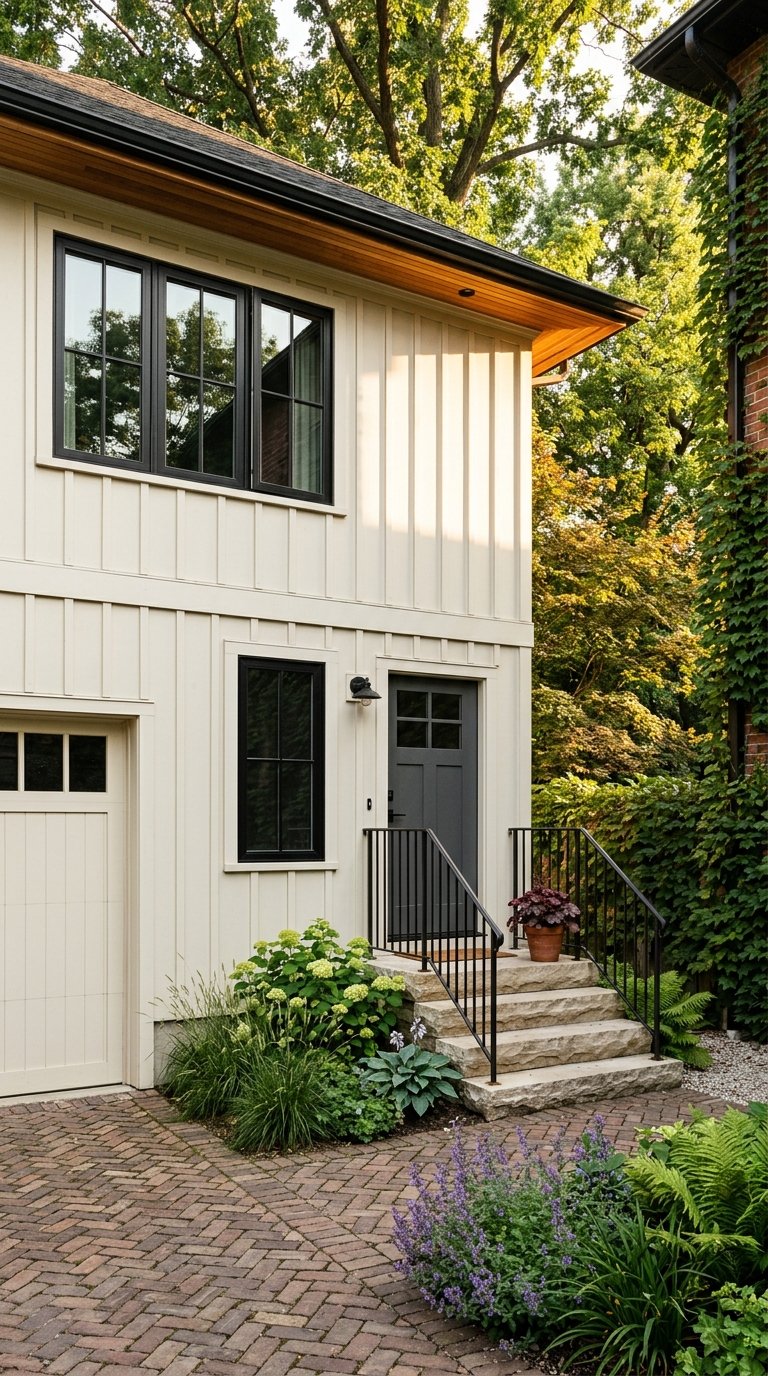
If you are eyeing a rental property near 12 South, you are probably wondering whether the numbers, the lifestyle appeal, and the local rules actually line up. That is a smart question in a neighborhood where walkability, location, and housing type can make a big difference in your strategy. In this guide, you will get a practical look at tenant demand, pricing, property types, and Nashville-specific due diligence so you can evaluate 12 South with more confidence. Let’s dive in.
Why 12 South Draws Rental Interest
12 South stands out as one of Nashville’s most walkable urban neighborhoods. Visit Nashville describes it as a half-mile stretch along 12th Avenue South with restaurants, coffee houses, bakeries, bars, and boutiques, and Walk Score rates 12th Avenue South at 86 out of 100.
That kind of day-to-day convenience matters when you are thinking like an investor. Renters often pay attention to whether they can easily reach dining, errands, parks, and entertainment without getting in the car for everything.
The area also benefits from its close-in location. Belmont University notes that 12 South is just around the corner from campus, and Belmont also says its campus is about 2 miles from downtown Nashville.
Lifestyle amenities add another layer of appeal. Sevier Park includes a 20-acre site, and the Sevier Park Community Center offers a fitness center, indoor and outdoor walking and running tracks, playgrounds, youth programs, and rentable club rooms.
For some investors, the broader Nashville visitor economy is also part of the picture. Davidson County recorded $11.2 billion in visitor spending in 2024 and hosted 16.9 million visitors, which supports the idea of broader demand for furnished or temporary stays in the market, even though that does not prove 12 South-specific performance.
What the 12 South Market Looks Like
12 South is not an entry-level rental market. Realtor.com’s May 2026 neighborhood data shows 39 homes for sale, 12 rental properties, a median listing price of $1,395,000, and a median rent of $4,900 per month.
Those numbers point to a premium submarket with limited supply relative to many other parts of Nashville. They also suggest that your margin for error may be smaller, since your acquisition price is likely to be high from the start.
Pricing has also shifted from the previous year. Realtor.com reports a median sold price of $1.6 million, down 9.18% year over year, while the median listing price was down 20.13% year over year, with median days on market at 62.
That does not make 12 South cheap. It does, however, suggest a market that may be normalizing rather than moving in only one direction.
How 12 South Rent Compares to Nashville
One of the clearest signals in the research is that 12 South rents sit above the broader city baseline. Zillow lists Nashville’s average rent at $2,220 as of July 8, 2026, while Realtor.com shows a 12 South median rent of $4,900 per month.
That gap helps explain why investors continue to watch the neighborhood closely. If you buy the right asset at the right basis, the area’s premium positioning may support stronger rent potential than many other Nashville submarkets.
Still, high rent alone does not guarantee strong cash flow. In a neighborhood with a high median purchase price, your financing terms, taxes, insurance, HOA dues if applicable, and renovation budget all matter just as much.
Which Property Type Makes the Most Sense?
Inventory around 12 South includes detached homes, townhomes or HPR units, and condos. Recent listings cited in the research show houses around 1,750 square feet, townhomes around 2,400 to 3,000 square feet, and condo units around 573 to 756 square feet at 1900 12th Ave S.
The best fit depends on your rental strategy, operating style, and budget. In 12 South, there is no single property type that works for everyone.
Detached Homes
Detached homes may appeal if you want a more lifestyle-driven asset in a neighborhood known for restored historic homes and strong curb appeal. They can also offer more flexibility in layout, outdoor space, and long-term resale positioning.
The tradeoff is usually a higher price point and potentially more maintenance. If you are underwriting for cash flow alone, that higher basis can be harder to justify.
Townhomes and HPR Units
Townhomes and HPR units often sit in a middle ground. They may offer newer finishes, more efficient layouts, and the kind of design-forward product that fits buyer and renter expectations in 12 South.
For investors, these properties can be attractive because they may balance lifestyle appeal with more predictable maintenance than an older detached home. You will still want to review deed structure, shared elements, and any association rules carefully.
Condos
Condos can offer a lower purchase price than larger townhomes or detached homes. That can make them worth a closer look if you want a foothold in 12 South without stretching into the top end of the market.
The key question is control. Condo ownership can come with HOA rules, dues, and leasing restrictions that directly affect your rental plan, so review those documents before assuming the property fits your strategy.
Match the Property to Your Investment Goal
Before you choose a property, get very clear on what success looks like. In 12 South, the right asset for appreciation may not be the same asset that works best for long-term cash flow.
Long-Term Rental Income
If your goal is stable, traditional rental income, focus on a property that offers broad renter appeal and operational simplicity. Walkability, proximity to amenities, and practical floor plans may help support that strategy in 12 South.
You should also be realistic about the spread between purchase price and rent. Since this is a premium neighborhood, your returns may depend more on quality of asset and long-term positioning than on immediate yield.
Furnished or Medium-Term Stays
A furnished strategy may be worth exploring for some buyers because of 12 South’s central location and Nashville’s strong visitor economy. This approach can appeal to renters looking for a temporary stay in an amenity-rich area.
That said, you should still underwrite conservatively. Broader tourism strength is helpful context, but it is not the same thing as guaranteed performance for a specific property.
Appreciation and Resale Strength
Some buyers are willing to accept a lower day-one yield in exchange for owning in a neighborhood with strong lifestyle appeal. In 12 South, walkability, close-in location, and neighborhood identity all support that thesis.
If that is your goal, think carefully about product type, finish level, and future buyer appeal. In a premium submarket, resale competitiveness often matters as much as rent.
Local Rules You Need to Check First
In Nashville, due diligence for rentals is not just about numbers. It is also about whether your intended use is allowed.
Metro requires landlord registration for residential rentals. The fee is $10 for all units owned, and owners or agents must report changes in rental status, ownership, or management. Noncompliance can trigger fines of $50 per week per dwelling unit.
If you are considering stays of fewer than 30 consecutive days, Nashville requires a short-term rental operating permit. The County Clerk also notes that a Business Tax License may be required when annual gross income reaches $100,000 or more.
The short-term rental permit is valid for 12 months and renews annually for a $313 fee. That should be part of your operating cost review if this strategy is on the table.
Why Parcel-by-Parcel Review Matters
One of the biggest mistakes investors make is assuming a neighborhood label tells them what they can do with a property. In 12 South, you need to verify the specific parcel.
Metro states that new not-owner-occupied short-term rental permits are not allowed in AR2A, R, RS, or RM zoning districts. SP and PUD parcels require separate review, and HOA rules can be more restrictive than city regulations.
In practical terms, that means you should confirm zoning, deed structure, HOA covenants, and financing fit before you finalize your underwriting. A property that looks perfect on paper can become much less attractive if your intended use is restricted.
A Smart Way to Evaluate 12 South
If you are serious about buying near 12 South, approach it as both a neighborhood decision and an asset decision. The neighborhood offers strong walkability, close access to central Nashville, and a well-known lifestyle identity, but the investment only works if the specific property supports your plan.
A practical evaluation checklist includes:
- Your target strategy: long-term, furnished medium-term, or appreciation-focused hold
- Property type fit: detached home, townhome, HPR, or condo
- Purchase price versus realistic rent expectations
- Registration, permit, and tax-license requirements where applicable
- Zoning, HOA, and deed restrictions tied to the exact parcel
- Ongoing costs like maintenance, dues, and renewal fees
In a market like 12 South, details matter. The upside can be compelling, but so is the importance of buying with a clear plan.
If you want help evaluating whether a specific 12 South property fits your rental goals, Sarah Butler offers thoughtful, investor-savvy guidance rooted in Nashville market knowledge and hands-on acquisition experience.
FAQs
Is 12 South a strong area for rental property in Nashville?
- 12 South shows many of the traits investors look for, including strong walkability, close-in location, premium rents, and lifestyle amenities, but the high purchase prices mean you should evaluate each property carefully.
What is the median rent in 12 South compared with Nashville?
- Realtor.com reports a 12 South median rent of $4,900 per month, while Zillow lists Nashville’s average rent at $2,220 as of July 8, 2026.
What types of rental properties can you find near 12 South?
- Research shows a mix of detached homes, townhomes or HPR units, and condos, with examples ranging from smaller condo units to larger townhomes and houses.
Do you need landlord registration for a rental property in Nashville?
- Yes. Metro requires landlord registration for residential rentals, and noncompliance can lead to fines of $50 per week per dwelling unit.
Can you use a 12 South property as a short-term rental?
- Possibly, but you need to verify the parcel first because Nashville limits new not-owner-occupied short-term rental permits in certain zoning districts, and HOA rules may be more restrictive than city regulations.
What should you review before buying a rental near 12 South?
- You should review the property type, realistic rent, zoning, deed structure, HOA covenants, registration requirements, and whether your intended rental strategy is allowed for that specific parcel.