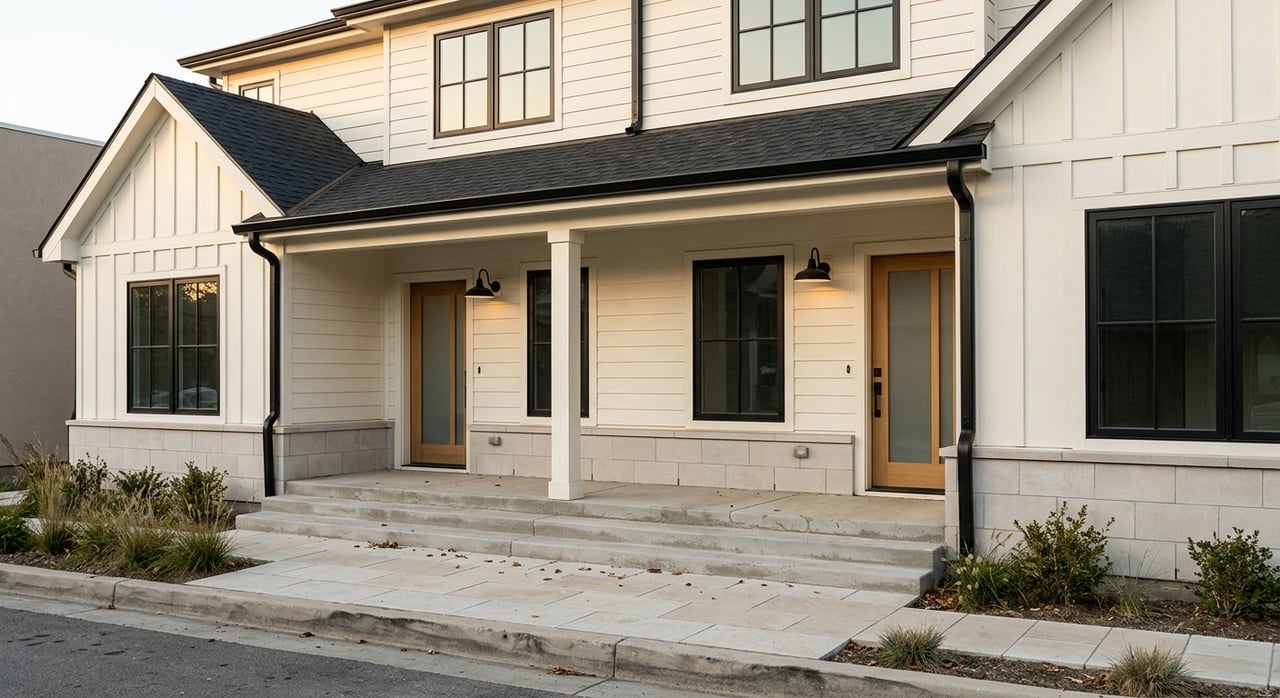
If you’re thinking about buying an investment property in East Nashville, you’ve probably noticed one thing already: this is not a simple bargain-hunt market. East Nashville has strong lifestyle appeal, older housing stock, and a pocket-by-pocket feel that can create opportunity, but only if you buy with a clear plan. In this guide, you’ll see which property types make the most sense, what local numbers suggest, and how to evaluate deals with more confidence. Let’s dive in.
Why East Nashville Stands Out
East Nashville sits just across the Cumberland River from downtown Nashville and is known for its historic homes, local restaurants, live music, art, and vintage shopping. It has a distinct identity, but it is not one uniform market. Metro Planning notes that East Nashville’s boundaries are not definitive, which means buyers should think in terms of smaller pockets rather than one broad label.
That matters when you invest. A property near park space, popular commercial corridors, or established residential blocks may perform very differently from one in another part of East Nashville. The best opportunities usually come from matching the property type to the specific pocket.
East Nashville Market Snapshot
Current resale data points to a somewhat competitive market. Redfin reports a median East Nashville sale price of $551,265 in May 2026, with homes selling after 63 days on market and a sale-to-list ratio of 97.6%.
For buyers, that suggests a market where you may still find room to negotiate, but you should not assume every listing is discounted or overlooked. East Nashville tends to reward selective buying and strong property-level analysis, especially if you are aiming for long-term hold value.
Nashville’s broader housing demand also supports investor interest. Metro’s Unified Housing Strategy estimates that the city needs 9,000 additional housing units per year, and it reports that 49% of Nashville renters were cost-burdened in 2023. The same report notes that rental homes with three or more bedrooms have not kept pace with demand.
Best Investment Property Ideas
Duplexes and Small Multifamily
Duplexes and small multifamily properties are often the first asset type buyers consider in East Nashville, and for good reason. The area’s planning framework supports more housing choices, improved connectivity, and redevelopment or infill that increases housing diversity.
At the same time, this is a relatively limited niche. Redfin shows 15 active multi-family homes for sale, with a median listing price of $517,000. Sample listings range from smaller renovated or leased properties in the $449,000 to $479,900 range to much larger assets above $1.6 million and $3 million.
That limited inventory means these properties are usually better framed as value-add or stabilization plays rather than easy cash-flow finds. If you are looking at a duplex or small multifamily property here, your upside may come from improving condition, tightening operations, or buying in the right pocket before demand strengthens further.
What to look for in small multifamily
- Functional layouts that appeal to long-term tenants
- Clear maintenance history or manageable update needs
- Location within a pocket with steady rental demand
- Outdoor space or parking that helps the property compete
- A purchase price that leaves room for improvements or lease optimization
Detached Long-Term Rental Homes
Detached houses are another strong idea for East Nashville buyers, especially if you want to target renters looking for more space and privacy. Current house-rental examples show asking rents from about $2,195 for a two-bedroom home to $3,295 and $3,650 for three-bedroom homes, with four-bedroom homes ranging from $4,000 to $5,500. A furnished three-bedroom home is listed at $6,000.
Those numbers stand out when compared with published apartment rent averages. Apartments.com lists East Nashville apartment rents at $1,326 for a studio, $1,569 for a one-bedroom, $1,764 for a two-bedroom, and $1,714 for a three-bedroom. RentCafe reports an East Nashville average apartment rent of $1,585, compared with a Nashville citywide average of $1,832.
The exact averages differ by source and update cycle, so you should keep your rent comps consistent when underwriting a property. Still, the broader takeaway is clear: detached rentals can command a meaningful premium when they offer space, condition, and lifestyle features that apartments cannot match.
Why houses can work well here
- More demand for larger rental homes across Nashville
- East Nashville’s older housing stock often includes character and yard space
- Tenants may pay more for privacy, outdoor areas, and turnkey finishes
- Three-bedroom and four-bedroom homes can fill a gap in the market
Renovation and Value-Add Plays
East Nashville’s housing character is part of its appeal. Visit Nashville describes historic homes dating back to the early 1900s, and the community plan supports infill and redevelopment that preserve neighborhood character while adding housing diversity.
That makes the area especially interesting for buyers who are comfortable with renovation. In many cases, the opportunity is not about adding the most square footage. It is about improving livability, updating systems, and presenting the home in a way that matches current renter expectations.
Current rental listings highlight features like yards, patios, decks, security systems, and furnished options. That suggests renters respond to homes that feel move-in ready and functional, not just bigger on paper.
Smart upgrades to consider
- Cosmetic updates that improve first impressions
- Kitchen and bath refreshes
- Systems updates for long-term reliability
- Better outdoor living areas
- Storage, privacy, and layout improvements
In East Nashville, these changes can matter as much as raw size. A well-presented home with the right updates may lease more easily than a larger property that feels dated.
Why Property Type Is Only Half the Story
East Nashville has strong lifestyle appeal, but tenant demand is not driven by one single renter profile. The neighborhood is known for restaurants, bars, live music, art, and shopping, and it also benefits from proximity to downtown.
Apartments.com describes East Nashville as fairly walkable at 50 out of 100, very drivable at 80 out of 100, with limited transit at 10 out of 100. It also notes park access at 60 out of 100. Those details help explain why some pockets may feel more convenient or appealing than others depending on the renter you want to attract.
Shelby Park and Shelby Bottoms are especially important local amenities. Metro says Shelby Bottoms is a 960-acre natural area adjacent to Shelby Park, with more than 5 miles of paved ADA-accessible trail and more than 5 miles of primitive trails. Access to these outdoor features can strengthen a property’s appeal to both renters and future buyers.
The renter pool is also broader than one lifestyle label. Apartments.com lists nearby colleges including Fisk University, Meharry Medical College, Trevecca Nazarene University, and Vanderbilt University, and it references micro-neighborhoods such as Historic Edgefield, East End, and Lockeland Springs. That is another reason to stay hyper-local when you analyze a deal.
A Practical Way to Analyze Deals
The smartest way to evaluate East Nashville investment property is to stay property-specific. Instead of asking whether East Nashville is “good for investors,” ask whether a particular duplex, house, or small multifamily property works in its exact pocket at its exact price.
A simple framework can help.
Use these four questions
Does the property fit the area’s planning context?
East Nashville’s community plan supports housing choice, infill, and redevelopment that increases diversity in housing types.Can it rent well as-is, or does the upside come from updates?
In this market, presentation, outdoor space, and turnkey condition can make a real difference.Does the submarket support your strategy?
Compare the asking price, likely rent, and local competitive conditions before you assume a deal works.Are there site-specific risks that affect holding costs?
Flood exposure is one of the biggest examples in East Nashville.
Don’t Overlook Flood Risk
Flood diligence deserves special attention in East Nashville. Redfin and First Street flag the area as having moderate flood risk and say 15% of properties may face severe flooding over the next 30 years.
That does not mean every property is a poor fit. It does mean you should pay close attention to drainage, elevation, and insurance when evaluating lower-lying or river-adjacent parcels. This is especially relevant near the river corridor and park areas.
For many buyers, flood diligence can be the difference between a property that looks good on paper and one that performs well over time. A strong investment decision here should include both income analysis and physical-site review.
What East Nashville Is Best For
Based on current sale prices, rent levels, limited multifamily inventory, and broader housing demand, East Nashville is best viewed as a market for selective buy-and-hold and value-add strategies. It is not a one-size-fits-all cash-flow market.
That is actually good news if you are willing to be disciplined. Buyers who focus on the right pocket, use consistent rent comps, and look for realistic upside may find attractive long-term opportunities in duplexes, small multifamily properties, and detached rentals.
If you want help narrowing the right pocket, comparing rent comps, sourcing inventory, or planning renovations after purchase, working with a local advisor can make the process far more efficient. For a more tailored strategy, connect with Sarah Butler.
FAQs
What types of investment properties make sense in East Nashville?
- Duplexes, small multifamily properties, detached long-term rentals, and renovation-focused value-add homes are among the most practical options based on current inventory, rent examples, and the area’s planning context.
How competitive is the East Nashville housing market for buyers?
- Redfin reports a median sale price of $551,265 in May 2026, 63 days on market, and a 97.6% sale-to-list ratio, which suggests a somewhat competitive market that still rewards selective buying.
Are duplexes common in East Nashville for investment buyers?
- They exist, but they are not abundant. Redfin shows 15 active multi-family homes for sale, which suggests limited inventory and a niche that often requires patience and strong underwriting.
What rent range can East Nashville rental houses achieve?
- Current house-rental examples show asking rents from about $2,195 for a two-bedroom home up to $4,000 to $5,500 for four-bedroom homes, with some furnished three-bedroom options listed higher.
Why do East Nashville detached rentals often outperform apartments on rent?
- Detached homes can offer more space, privacy, yards, and upgraded lifestyle features, which current listing data suggests can support higher asking rents than local apartment averages.
What should buyers watch for with East Nashville value-add properties?
- Focus on condition, layout, systems, outdoor space, and whether updates will match renter expectations for turnkey presentation and functionality.
Is flood risk important when buying in East Nashville?
- Yes. Redfin and First Street identify East Nashville as a moderate flood-risk area, so buyers should review drainage, elevation, and insurance considerations for lower-lying or river-adjacent sites.
How should buyers analyze an East Nashville investment property?
- The most practical approach is property-specific analysis using consistent rent comps, a close look at the micro-location, realistic renovation costs, and a review of any flood-related holding risks.