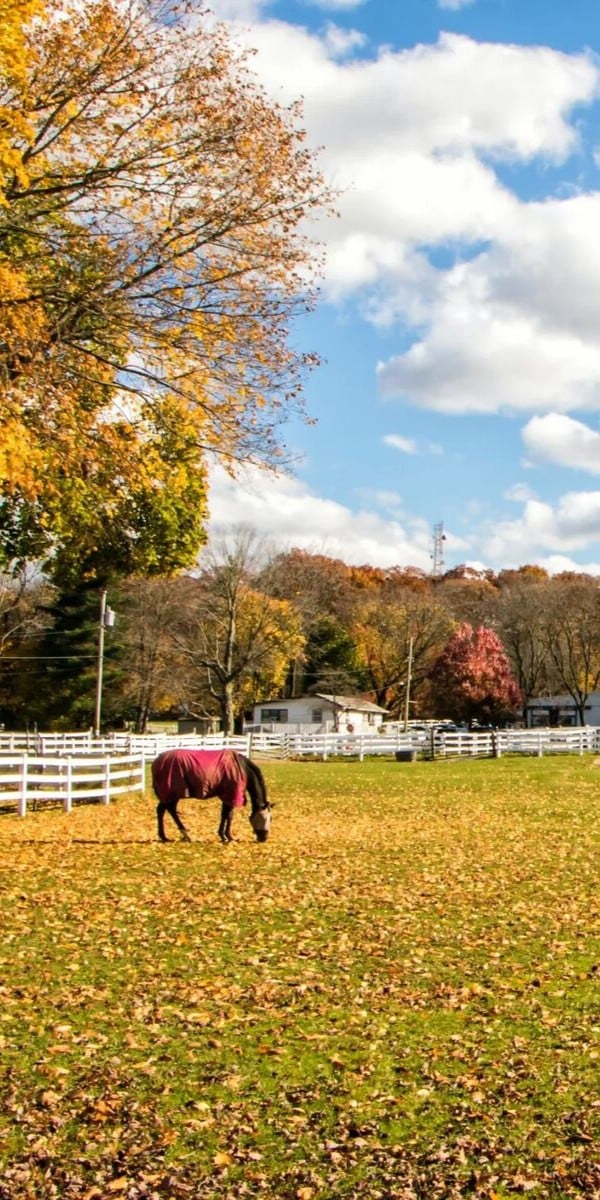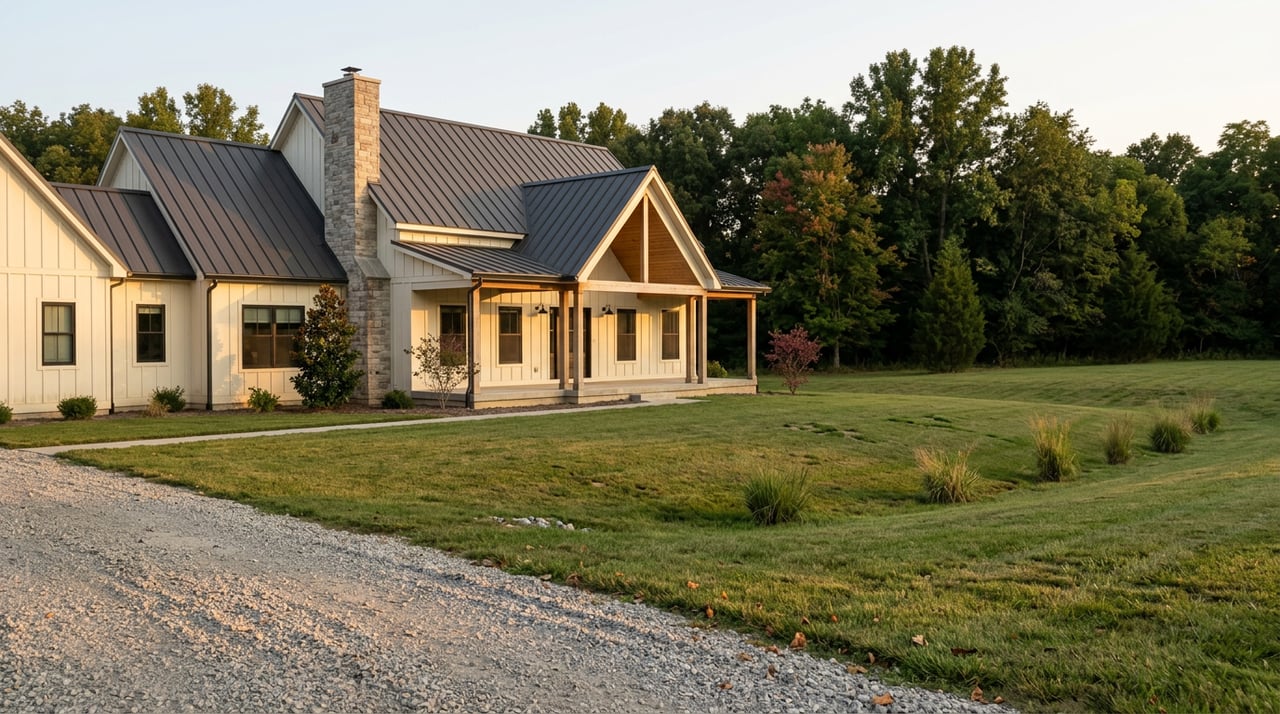
Craving space for a modern farmhouse, a garden, or room for horses in College Grove? Buying acreage here can deliver all of that, but rural property comes with different rules, timelines, and costs than in-town homes. In this guide, you’ll learn how zoning, utilities, soils, permits, and budgets work so you can move forward with confidence. Let’s dive in.
College Grove acreage at a glance
College Grove sits in unincorporated Williamson County, so county zoning and approvals apply to most acreage. Start by reviewing the county’s land-use framework to understand what you can build and how many homes are allowed on a parcel. You can confirm permitted uses on the county’s official Williamson County zoning page.
The area’s rural character and infrastructure expectations are described in the College Grove Village Special Area Plan. In practice, that means you should expect larger lots, agricultural uses, and limited municipal services on many tracts. Rules differ between in-town parcels and those outside town limits, so verify your parcel’s exact location before you set assumptions.
Smart due diligence before you offer
Access and road maintenance
- Why it matters: If a road or driveway is private, you may share maintenance with neighbors and emergency access could be limited. This can affect financing and insurance.
- What to check: Confirm a recorded easement for ingress and egress. Ask who maintains the access road, whether there is a road maintenance agreement, and whether any driveway permits or road-cut approvals are required by the county.
- Who to call: Your title company and the county permitting office can confirm recorded easements and driveway standards.
Water and sewer options
- Why it matters: Many College Grove parcels do not have public sewer. Most rural homes rely on septic, which depends on site soils and permitting.
- What to check: Before you close, complete a septic feasibility review through the Tennessee Department of Environment and Conservation. TDEC outlines septic permitting and online tools on its septic permit information page. If you want public water, confirm availability and tap fees with the Nolensville/College Grove Utility District. If public water is unavailable, plan for a drilled well and power to run it.
- Pro tip: If septic is not feasible in the desired building area, you may need an alternative engineered system or a different homesite on the parcel.
Power, gas, and internet
- Why it matters: Extending electric service or adding transformers can be a significant line item. Natural gas is limited in rural areas, so many owners use propane. Broadband reliability varies by road and subdivision.
- What to check: Ask the electric provider about the nearest service point and written cost estimates for line extensions. Confirm your broadband options by address and consider fixed wireless or satellite for more remote sites.
Soils, septic performance, and wells
- Why it matters: Soil type controls septic capacity, driveway stability, and even pasture potential. In Middle Tennessee, soil conditions can change within a few hundred feet.
- What to check: Use the NRCS Web Soil Survey for an initial screen, then hire a licensed soils evaluator for a perc test and layout. Where soils are marginal, alternative systems may be required, which adds cost and larger setbacks.
- Regional considerations: Central Tennessee sits over karst limestone in places. Karst features and sinkholes can affect well yield and foundations. For parcels with karst signatures, review the USGS study on Tennessee karst depressions and consider a geotechnical assessment.
Floodplain, wetlands, and water work
- Why it matters: Building in a mapped floodzone affects design, insurance, and lender requirements. Wetlands, streams, and pond work can trigger state and federal permits.
- What to check: Review the county’s guidance and FEMA mapping via Williamson County floodplain information. If you plan a pond, stream crossing, or fill near a water feature, Tennessee’s Aquatic Resource Alteration Permit rules explain when a permit is required. See the state’s ARAP rules overview.
Title, easements, and restrictions
- Why it matters: Utility easements, access easements, conservation restrictions, and covenants can all limit where you can build or fence.
- What to check: Order title work, review the deed and recorded plat, and consider an ALTA survey for boundary clarity. You can search public records through the county’s Property Data Search and Register of Deeds.
Fire protection, response, and insurance
- Why it matters: Distance to fire stations, hydrant availability, and local ISO ratings can impact homeowner’s insurance premiums.
- What to check: Verify your fire district, the nearest station, and available water sources for firefighting. Ask your insurance broker to price scenarios with and without nearby hydrants.
Permits and the county process
- Why it matters: In most rural cases, Williamson County will need proof of septic approval and a compliant site plan before issuing a building permit.
- What to check: Plan for site plans, engineered drawings, and zoning certificate steps. Ask about typical timelines so you can coordinate builder bids and financing milestones.
Budgeting and hidden costs
The land price is just the start. Build a realistic budget that includes:
- Utility extensions: Electric pole runs, transformers, and trenching. If public water is available, add tap fees and possible line extensions.
- Septic system: Conventional systems are typically less expensive if soils are favorable. Alternative systems like mound or low-pressure pipe can add significant cost.
- Driveway and drainage: County sight-distance, culverts, and base materials add up, especially for long drives or steep approaches.
- Water features and permits: Ponds, stream crossings, and wetland impacts may require ARAP and engineering, which add time and fees.
- Site work and engineering: Clearing, grading, erosion control, and geotechnical testing, especially on karst-prone or sloped ground.
- Construction contingencies: Rural builds often require larger allowances for rock excavation, longer material hauls, and weather windows.
- Taxes and programs: Qualifying agricultural, forest, or open-space land may be eligible for Tennessee’s Greenbelt use-value assessment. Factor the program’s requirements and rollback provisions into long-range planning.
- Market context: Location and access drive value. Parcels near paved roads and public water connections often command a premium compared to similar-size tracts farther out.
Financing your acreage purchase
- Land-only loans: Often require larger down payments and shorter terms than mortgages for finished homes. Ask lenders about interest-only periods and required reserves.
- Construction-to-permanent loans: Common for a land-plus-build plan. Expect to provide signed builder contracts, plans, and an appraisal based on completed value.
- Government-backed options: Some addresses may qualify for USDA Rural Development programs for owner-occupants. Eligibility is address specific, so check early in the process.
- Pro tip: Work with lenders who regularly finance acreage and construction in Williamson County. Their upfront guidance can prevent costly delays later.
Equestrian and hobby-farm notes
- Zoning and setbacks: Confirm that horses, barns, arenas, and agricultural uses are allowed by your zoning and any recorded covenants. The county’s zoning page is your first stop.
- Water planning: Design for reliable year-round water with redundancy. Many owners use public water if available, plus a well or storage for backup.
- Pasture and management: As a basic planning rule, allow roughly 1 to 2 acres per horse for turnout and rotation, then adjust based on forage and your veterinarian’s guidance. Verify any HOA nuisance or manure-management rules before you buy.
One-page due diligence checklist
- Confirm parcel location and zoning designation with Williamson County.
- Ask the seller for the current survey or plat, septic history or permits, well logs, utility bills, and any covenants or easements.
- Order a soils evaluation and perc test by a licensed professional. If soils or karst features are flagged, consider a geotechnical report.
- Verify water availability with the Nolensville/College Grove Utility District or plan for a well. Ask utility providers for written cost estimates.
- Confirm electric service point and expected extension costs. Get broadband options by address.
- Review floodplain status and any wetlands. If you plan a pond or stream crossing, determine whether ARAP or other permits apply.
- Order title work and consider an ALTA survey. Confirm any conservation easements and mineral rights in the deed.
- Map your permitting path with the county. Align your builder’s schedule, financing, and septic timeline.
Ready to find the right tract and build your plan step by step? Reach out to Sarah Butler for local guidance, vetted vendor referrals, and a clear roadmap from first tour to closing.
FAQs
What makes College Grove acreage different from in-town lots?
- Much of College Grove is unincorporated, so county zoning, larger lots, and limited municipal services are common. Always confirm zoning with Williamson County.
How do I know if a parcel can support a septic system?
- Start with the NRCS Web Soil Survey, then hire a licensed soils professional for a perc test. TDEC septic approval is typically required before a building permit.
Can I connect to public water in College Grove?
- Some parcels can connect to the Nolensville/College Grove Utility District. Confirm availability, tap fees, and any line extensions before you commit.
What permits apply if I want to add a pond or cross a stream?
- Tennessee’s ARAP rules may require permits for altering streams, wetlands, or pond construction. Budget for engineering and review timelines early.
How do private roads affect my purchase?
- Private roads usually mean shared maintenance and may affect emergency access. Confirm a recorded easement and any road agreement before making an offer.
Does floodplain status kill a deal?
- Not necessarily, but it can change where and how you build, your insurance cost, and lender requirements. Check FEMA mapping and county guidance early.
Are horses allowed on most College Grove parcels?
- Many agricultural and large-lot zones permit equestrian uses, but always verify your specific zoning and any HOA or deed restrictions.
What financing works best for buying land and building?
- Many buyers use construction-to-permanent loans to purchase land and fund the build. Land-only loans are also available but often require larger down payments.