If you want a central Nashville neighborhood that feels historic, walkable, and closely connected to Vanderbilt, Hillsboro-West End deserves a serious look. You may be weighing commute time, home style, daily convenience, and whether the area feels like a true neighborhood instead of just a place near campus. This guide will help you understand what living in Hillsboro-West End near Vanderbilt is really like, from housing and parks to dining, transit, and who tends to feel most at home here. Let’s dive in.
Hillsboro-West End at a glance
Hillsboro-West End is a mature urban neighborhood in Davidson County with a strong civic identity and a long-established residential feel. The Hillsboro-West End Neighborhood Association describes it as vibrant, historic, and walkable, with community programming that includes events like the annual Garden Tour and Dragon Music Concerts.
Location is a major part of the appeal. City historic district materials place the neighborhood between West End Avenue and 21st Avenue South/Hillsboro Pike, with Vanderbilt to the north and I-440 to the south. That setting gives you a central address with quick access to campus energy while still feeling rooted in a distinct neighborhood.
What it feels like to live here
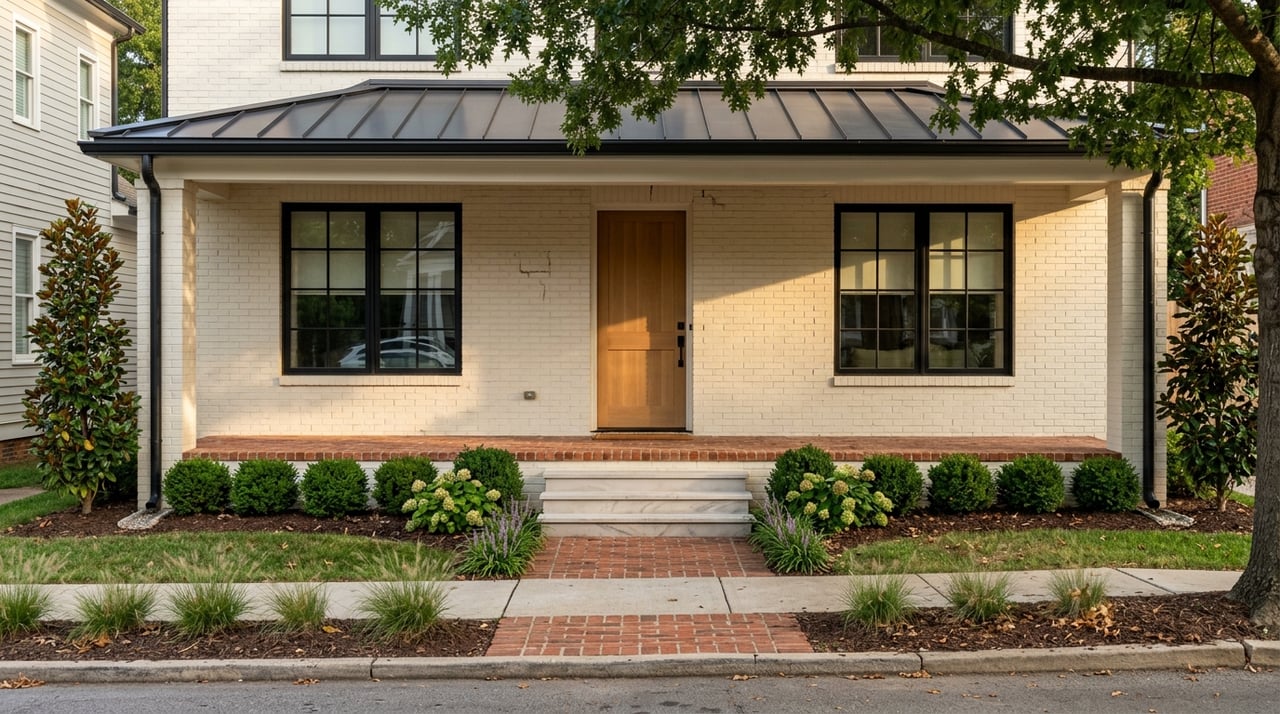
Daily life in Hillsboro-West End tends to feel more residential than many people expect from a close-in Nashville location. The neighborhood is overwhelmingly made up of single-family homes, which creates a lower-scale streetscape with porches, yards, and a more established rhythm than denser urban districts nearby.
At the same time, Vanderbilt strongly shapes the area. The university describes its nearby West End neighborhood as a street-grid residential campus area, and the broader campus is adjacent to Vanderbilt University Medical Center and the Nashville VA Hospital. In practical terms, that means you are living near one of the city’s major academic and medical hubs, which can be especially appealing if you work, study, or spend a lot of time in that part of town.
Historic homes define the neighborhood
If you love older homes with architectural character, Hillsboro-West End stands out. Most homes in the historic district were built between 1910 and 1935, and the most common styles include Craftsman and Bungalow, Tudor Revival, Colonial Revival, American Foursquare, English Cottage, and Minimal Traditional.
That mix gives the neighborhood a layered, classic look rather than a one-note housing stock. You will see a range of home sizes and design details, but the overall impression is consistent: mature streets, historic fabric, and houses that often have more personality than newer construction.
The city’s historic district history also notes how intact the neighborhood has remained despite development pressure. A 1993 National Register survey found 996 of 1,270 buildings contributed to the district’s historic character, which helps explain why the area still feels visually cohesive today.
What buyers should know about the conservation overlay
A large part of Hillsboro-West End is covered by a conservation overlay. That matters if you are buying a home with plans to renovate, expand, or significantly alter the exterior.
In this type of protected area, visible exterior work is reviewed to help preserve neighborhood character. Additions, demolition, and major exterior changes generally require more planning than they would in a neighborhood without historic design review. If you are drawn to the charm of Hillsboro-West End, this is often part of what protects it.
For buyers, that means it is smart to think about both your lifestyle needs and your renovation goals before you purchase. For sellers, it can also be helpful to understand how the overlay shapes buyer expectations around upkeep, design, and future projects.
Why Vanderbilt proximity matters
For many residents, the biggest lifestyle advantage is being near Vanderbilt without living in the middle of a purely campus-oriented environment. The neighborhood’s location makes it especially practical for Vanderbilt faculty, staff, medical professionals, and relocators who want a central address.
That convenience can show up in simple ways. You may have an easier commute to campus, the medical center, or nearby institutional offices. You are also close to the activity that comes with a major university, but within a neighborhood known for preserving residential quality and community identity.
If you are relocating to Nashville for work at Vanderbilt or VUMC, Hillsboro-West End often lands on the short list because it offers both access and atmosphere. You are not just choosing a commute. You are choosing a neighborhood with a clear sense of place.
Parks and outdoor space nearby
One of the benefits of this area is how close you are to some of Nashville’s well-known green spaces. Centennial Park is a major outdoor anchor nearby, with 132 acres that include the Parthenon, a one-mile walking trail, Lake Watauga, the Centennial Art Center, a dog park, and Centennial Sportsplex.
That gives you options for casual walks, exercise, and outdoor time without needing to drive far. For many buyers, having a major city park nearby adds a lot to day-to-day quality of life.
You are also near Fannie Mae Dees Park, better known as Dragon Park, on Blakemore Avenue. It has been part of the area since 1978 and is one of the neighborhood landmarks many locals know by name.
Dining and walkable convenience
When people picture the dining scene near Hillsboro-West End, Hillsboro Village is usually the center of that conversation. Metro’s design guidelines describe the Village’s commercial core as a place with inviting storefronts and a comfortable pedestrian environment.
That matters because it helps set expectations for daily life. Rather than having restaurants spread evenly throughout the neighborhood, much of your everyday dining access is concentrated in a compact, walkable corridor nearby. If you enjoy being able to head out for coffee, a meal, or basic services on foot, that pattern can feel very convenient.
This kind of layout also supports the neighborhood’s broader identity. You get a residential setting at home, with a defined commercial area close by instead of a heavy retail presence on every block.
Transit and getting around
Hillsboro-West End also benefits from a transit-friendly profile for a central Nashville neighborhood. WeGo’s July 2026 system map shows Route 3 West End and Route 7 Hillsboro serving this part of the city.
For some residents, that can make commuting or reaching nearby districts more manageable without depending entirely on a car. Even if you drive most of the time, access to established local bus routes can still be a meaningful convenience.
The street-grid setting near Vanderbilt also supports a more connected feel. Depending on where you live in the neighborhood, you may find that some daily trips are easier to handle on foot or with shorter drives than in more spread-out parts of the region.
Schools and planning by address
If school planning is part of your move, it is important to keep expectations specific and address-based. Metro Nashville Public Schools says school assignment should be verified by address through its Zone Finder.
The neighborhood association lists Eakin Elementary, West End Middle, and Hillsboro High as local schools, while Hillsboro High identifies itself as an open-enrollment IB World School. The key takeaway is that school planning here is not one-size-fits-all.
If you are comparing homes, it helps to verify school information early in your search. That is especially true in a neighborhood where location, enrollment details, and household priorities can all shape the decision.
Who Hillsboro-West End fits best
This neighborhood tends to be a strong fit for several types of buyers. If you want a central, walkable address with historic homes and a well-defined neighborhood identity, it checks many important boxes.
It can be particularly appealing if you are:
- Relocating for Vanderbilt, VUMC, or nearby medical and academic work
- Looking for a historic home in a largely single-family setting
- Drawn to parks, walkability, and established neighborhood character
- Seeking a central Nashville location with a more residential feel than denser urban districts
Urban-minded households often appreciate the balance here. You get city access and campus adjacency, but also a neighborhood shaped by preservation, community involvement, and long-standing residential patterns.
What sellers should understand
If you own a home in Hillsboro-West End, your property may appeal strongly to buyers who value architecture, location, and neighborhood identity. The combination of historic housing stock, proximity to Vanderbilt, and access to parks and walkable commercial areas gives the neighborhood a clear lifestyle story.
That story is important in marketing. Buyers considering this area are often not just shopping by square footage alone. They are paying attention to design character, street feel, renovation potential, and how the home fits into the broader neighborhood setting.
For sellers, thoughtful preparation and presentation can help highlight those strengths. In a neighborhood where exterior character and historic context matter, details often shape first impressions.
Final thoughts on living here
Living in Hillsboro-West End near Vanderbilt offers a distinctive mix of historic character, central location, and everyday convenience. It is one of those Nashville neighborhoods where the setting tells a story, from early 20th-century homes to nearby parks, walkable dining access, and the steady influence of Vanderbilt.
If you are looking for a neighborhood that feels established, connected, and full of local identity, Hillsboro-West End is worth exploring closely. Whether you are relocating, buying your first home in central Nashville, or preparing to sell a property with architectural charm, having clear local guidance can make the process much easier.
If you are considering a move in Hillsboro-West End or anywhere nearby, Sarah Butler can help you navigate the neighborhood with the kind of local, high-touch guidance that makes a difference.
FAQs
What is Hillsboro-West End like near Vanderbilt?
- Hillsboro-West End is a historic, walkable, primarily residential neighborhood next to Vanderbilt, known for early 20th-century homes, strong neighborhood identity, nearby parks, and easy access to campus-related destinations.
What types of homes are common in Hillsboro-West End?
- Most homes were built between 1910 and 1935, with common styles including Craftsman, Bungalow, Tudor Revival, Colonial Revival, American Foursquare, English Cottage, and Minimal Traditional.
Is Hillsboro-West End a good fit for Vanderbilt or VUMC employees?
- Yes, the neighborhood is often a strong fit for Vanderbilt faculty, staff, medical professionals, and relocators who want a central address close to campus and nearby medical facilities.
Are there historic restrictions in Hillsboro-West End?
- Much of the neighborhood is covered by a conservation overlay, so visible exterior work such as additions, demolition, and major exterior changes typically requires additional review and planning.
What parks are near Hillsboro-West End in Nashville?
- Nearby parks include Centennial Park, which features the Parthenon, walking trails, a dog park, and sports facilities, as well as Fannie Mae Dees Park, also known as Dragon Park.
Where do residents go for dining near Hillsboro-West End?
- Much of the nearby dining is centered in Hillsboro Village, a compact, pedestrian-friendly commercial corridor with restaurants and everyday services.
How do you verify school zones for Hillsboro-West End homes?
- School assignments should be verified by address through the Metro Nashville Public Schools Zone Finder, since enrollment and school planning in this area are address-specific.
Does Hillsboro-West End have public transit access?
- Yes, WeGo local service routes including Route 3 West End and Route 7 Hillsboro serve this part of Nashville.