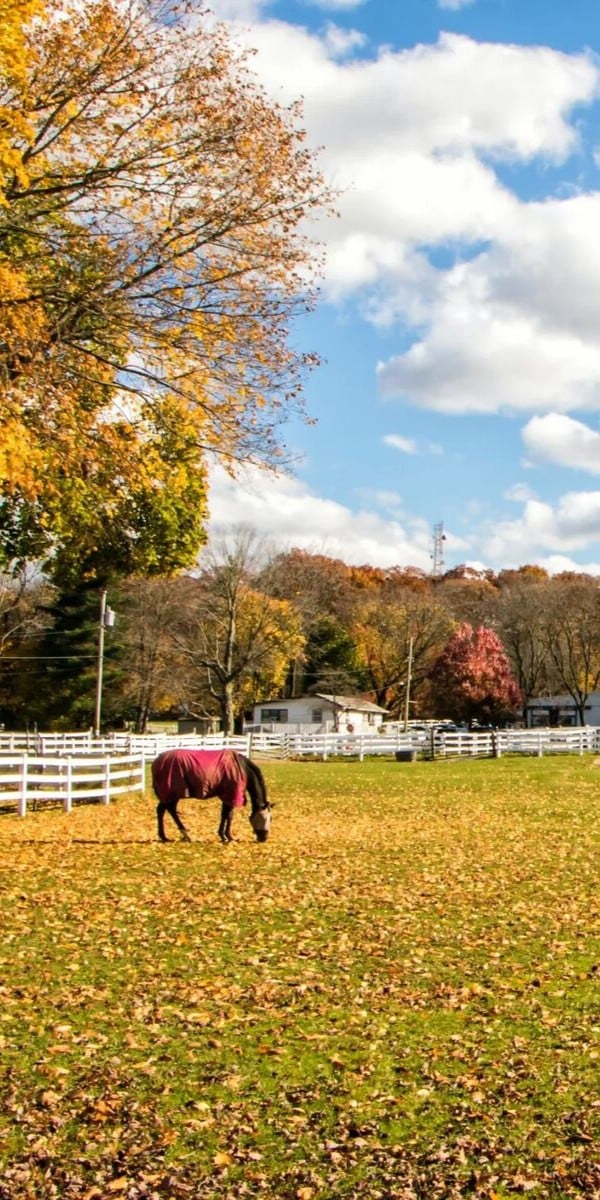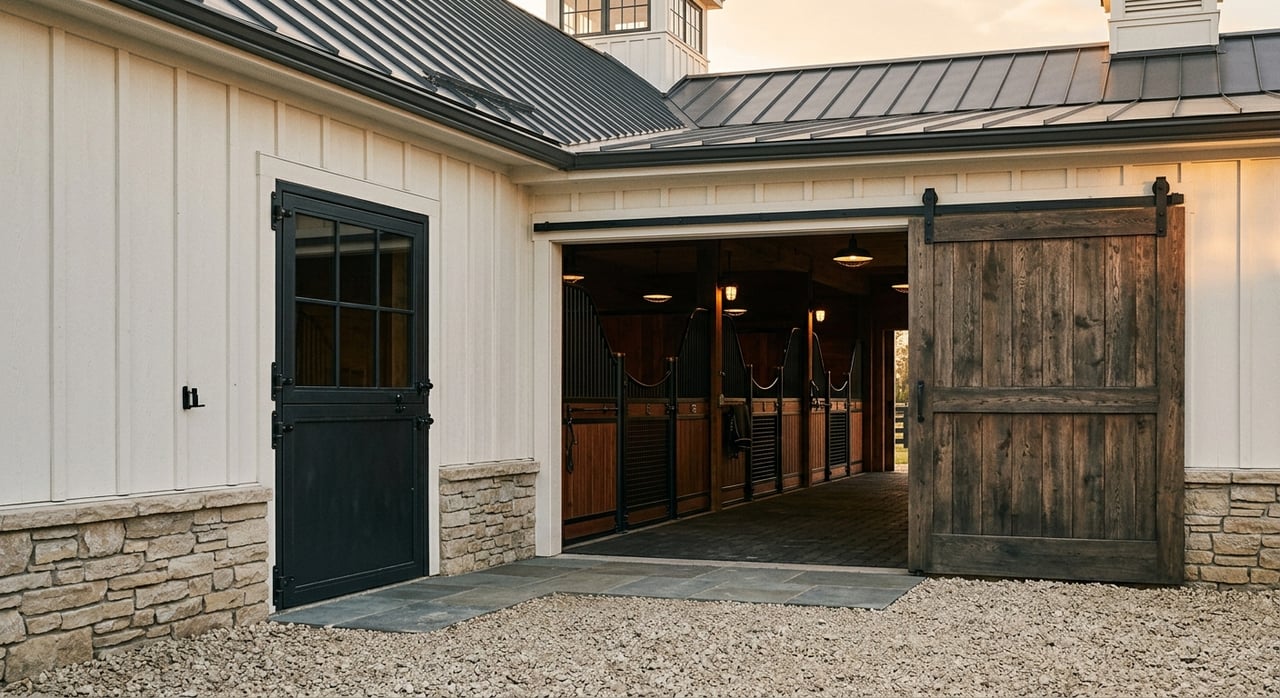
If you are selling acreage or an equestrian property in Leiper’s Fork, you are not selling a typical house. You are selling land use, privacy, function, and a lifestyle that buyers already understand is hard to replicate. That also means your buyer pool is more specific, your pricing has to be sharper, and your preparation needs to go far beyond fresh paint and listing photos. Let’s dive in.
Why Leiper’s Fork sells differently
Leiper’s Fork has a distinct identity shaped by agriculture, open space, and preservation. Williamson County’s special area planning describes the village and surrounding community as a mix of agricultural, commercial, institutional, and residential uses, with the village serving as a focal point for the broader rural area. The National Park Service also lists the Leiper’s Fork Historic District on the National Register of Historic Places.
For you as a seller, that matters because buyers are often drawn to more than square footage. They are buying into the setting, the rural character, and the feeling of space that makes Leiper’s Fork different from a standard suburban move. This tends to create a more lifestyle-driven buyer pool that may include local move-up buyers, equestrian buyers, and relocation buyers looking for privacy and land.
Today’s market requires precision
Even in desirable parts of Williamson County, buyers have become more selective. Greater Nashville REALTORS reported a median single-family price of $499,900 and 72 days on market in February 2026, while March 2026 closings across the region were down 3 percent year over year. That is a helpful reminder that strong demand does not remove the need for strategy.
At the luxury end, patience matters even more. In 2025, 112 homes sold for $4 million or more in Greater Nashville, with most of those sales in Williamson County, and those homes averaged 128 days on market. One 80-acre Franklin estate sold for $17.5 million after 410 days, which shows just how important pricing discipline and long-range planning can be for large or highly specialized properties.
Acreage buyers look at usable land
Raw acreage is not the whole story
Two properties can have the same number of acres and offer very different value. Buyers for horse properties and rural estates tend to focus on how the land actually works day to day. They look at pasture layout, fencing, gates, drainage, water access, shelter placement, and whether equipment and trailers can move efficiently through the property.
That practical lens matters in Leiper’s Fork, where county planning materials note steep slopes in some areas and land within the 100-year floodplain. Floodplain regulations can limit development in those areas, so usable ground often matters more than headline acreage. If part of your land is ideal for pasture, paddocks, barns, or future improvements, that should be clearly documented and presented.
Function helps buyers justify value
Horse-property guidance emphasizes fence safety, maintenance needs, thoughtful gate placement, and traffic flow for both animals and equipment. Buyers notice when a property feels easy to manage. They also notice when the layout creates extra labor, drainage problems, or awkward access.
This is one reason acreage listings need more than beautiful exterior photos. Buyers need help understanding how the property performs as a system, not just how it looks from the road.
Pre-listing due diligence matters more here
Verify zoning and permitted uses
Before you market a barn, guest space, riding setup, or future expansion potential, confirm what the property can legally support. Williamson County zoning governs development in unincorporated areas, and the Leiper’s Fork Village Special Area Plan exists to guide development around the area’s historic and rural character.
This step can protect you from late-stage issues that slow a sale or create confusion during negotiations. If a buyer is paying a premium for flexibility or specific land use, clarity upfront builds confidence and reduces surprises.
Gather septic records early
For many Leiper’s Fork properties, septic documentation is a key part of sale prep. Tennessee guidance notes that a septic permit is required before dirt work or construction, including a building pad, and septic systems can also serve accessory buildings like a barn, shop, or garage.
Inspection letters are also commonly requested in real estate transactions. If you can gather permits, records, and any recent inspection information before listing, you make it easier for buyers to evaluate the property and move forward with fewer delays.
Document the water source
Private water supply is another important value point for acreage and equestrian buyers. Tennessee health guidance explains that private water sources are often untested and unregulated in quality, and it recommends annual bacteriological testing and chemical testing every two years.
For horse properties, water matters not only for the home but also for animals and daily operations. Clear documentation around wells or springs, along with any recent testing, can strengthen buyer confidence and help support your asking price.
Be prepared to disclose property conditions
Tennessee disclosure law generally requires sellers to complete a property disclosure statement covering known defects and conditions. That can include environmental hazards, flood or drainage issues, encroachments, and unpermitted work.
On rural property, these details carry extra weight because a buyer is evaluating more land, more systems, and more potential points of concern. A proactive seller is often in a stronger position than one who waits for questions to surface during due diligence.
Greenbelt status can shape buyer interest
If your land qualifies for Greenbelt, that may be an important part of how buyers evaluate carrying costs. Williamson County states that the Greenbelt Program allows qualifying agricultural, forest, and open-space land to be taxed based on present use rather than market value. Agricultural parcels generally need at least 15 acres, and applications are due by March 15.
That said, Greenbelt should be explained carefully and accurately. Williamson County also notes that rollback can apply if land no longer qualifies or is sold and converted to another use, and the Tennessee Comptroller says rollback taxes are based on the difference between use value and market value. For your sale, that means tax status should be framed as a current fact, not a broad promise about future ownership plans.
Presentation should show how the property works
Tell the story visually
Acreage and equestrian buyers need visual clarity fast. Aerial photography, site maps, pasture images, fencing closeups, barn interiors, drive access, and water-source visuals can all help a buyer understand how the property lives.
This kind of presentation is especially effective in Leiper’s Fork because the landscape itself is part of the value. County planning materials note conservation buffers, conservation easements protecting 450 acres near village gateways, and the role of the Natchez Trace Parkway in preserving scenic viewpoints and open space. When your marketing captures both utility and setting, buyers can connect the land to the lifestyle.
Prep the whole property, not just the house
For acreage listings, the residence is only one piece of the asset. Buyers will also look at fencing condition, gate function, pasture maintenance, drainage patterns, driveways, barns, storage, and the overall sense of care across the grounds.
A concierge-style approach can make a meaningful difference here. Coordinating listing preparation across the house, barn, fences, water documentation, septic records, and grounds often creates a cleaner story and a stronger first impression than treating the home as a standalone listing.
Pricing acreage and equestrian property realistically
Scarcity does not replace strategy
Leiper’s Fork is special, and quality land is limited, but scarcity alone does not guarantee a fast or easy sale. Buyers in this category are often experienced, well-advised, and willing to wait for the right fit. That means overpricing can cost you time, momentum, and negotiating strength.
The current market data supports a measured approach. Regional prices have been relatively stable, while buyers have become more selective, and luxury properties can take months to sell. A thoughtful pricing strategy should consider not only the residence, but also land usability, improvements, documentation, and the likely depth of the buyer pool.
Build in a realistic timeline
Large tracts and specialized estates often need more runway. If your property includes significant acreage, equestrian improvements, or a premium price point, it is smart to plan for a longer marketing cycle from the start.
That does not mean your property will sit if it is well positioned. It means your expectations should match the way this niche segment behaves. The right buyer may be highly motivated, but they are rarely impulsive.
What sellers can do before going live
If you want your property to stand out, focus on preparation that reduces uncertainty and highlights function.
- Confirm zoning and any use-related questions with Williamson County
- Gather septic permits, inspection letters, and related records
- Collect recent well or water testing documentation if available
- Review Greenbelt status and understand any tax implications tied to change of use
- Identify known drainage, floodplain, or encroachment issues early
- Evaluate fencing, gates, access routes, and pasture condition
- Create visual marketing that explains layout, improvements, and land usability
- Price with selectivity and longer timelines in mind
Selling in Leiper’s Fork takes more than listing a pretty house on a few acres. It takes local context, clean due diligence, and marketing that helps the right buyer see exactly why your property is worth pursuing. If you want a tailored plan for your acreage or equestrian property, Sarah Butler offers a concierge approach designed for distinctive Williamson County listings.
FAQs
What makes selling acreage in Leiper’s Fork different from selling a suburban home?
- Acreage buyers are usually evaluating land use, privacy, layout, access, and long-term functionality, not just the home itself, so pricing, preparation, and marketing need to reflect the full property.
What should sellers of equestrian property in Leiper’s Fork prepare before listing?
- You should gather zoning information, septic records, water-source documentation, and details on fencing, drainage, gates, pasture layout, and any known property issues before the home goes live.
How important is usable land when selling Leiper’s Fork acreage?
- Usable land is critical because steep slopes, floodplain areas, and awkward layouts can affect how much of the acreage is practical for pasture, barns, access, and future improvements.
How does Greenbelt status affect the sale of Williamson County acreage?
- Greenbelt can lower current property taxes for qualifying land, but buyers should also understand that rollback taxes may apply if the property no longer qualifies or is converted to another use.
How long can it take to sell luxury acreage in Williamson County?
- Luxury and specialized rural properties often take longer to sell than standard homes, and regional data shows high-end sales can remain on the market for months depending on price point, acreage, and buyer fit.